
Vidu Q4 Review: What Ten Preview Clips Show
This Vidu Q4 review examines ten existing Preview clips generated on October 10, 2026. It separates recorded movement and file properties from the instructions that requested them, with no score or claim of a controlled comparison.
What This Vidu Q4 Review Covers
The existing Vidu Q4 collection contains two Image to Video clips and eight Reference to Video clips. Each reference clip used one image. The cup pair shares an input, giving nine distinct input pictures across ten outputs. Requested lengths total 96 seconds; the files total 96.416670 seconds.
This Vidu Q4 review asks what those particular clips show about movement, composition, and visible detail. Ten completed examples are a small selected set, not a count of all attempts. They cannot establish a success rate, model ranking, or the result you will receive from a different image.
How the Clips Were Reviewed
The observations come from the existing clip review, rather than a fresh generation session for this article. Use the ten recorded video examples to inspect the full set and original instructions alongside this interpretation.
- Identify the source. Match each output to its input, prompt, requested settings, generation date, and measured file properties.
- Inspect the complete clip. The existing review decoded each video and checked beginning, middle, and ending frames for subject shape, framing, and continuity, with page playback also checked.
- Separate requests from observations. Compare the requested action and camera direction with what was recorded. An instruction alone does not prove compliance.
These are qualitative observations. There was no blind panel, latency benchmark, repeated-seed experiment, or numerical quality scale.
Vidu Q4 Output Sizes and Settings
Every request selected the 1080p resolution option. That selection is distinct from actual pixel dimensions: square and portrait results have different shapes, and the cup files are 1918 pixels wide. Image to Video uses the input composition without a separate ratio control.
| Clip | Mode | Requested | Actual file |
|---|---|---|---|
| 01 · Morning ceramic | Image to Video | 1080p · 8s · Input frame | 1918 × 1080 · 8.041667s |
| 02 · Still-life camera arc | Image to Video | 1080p · 8s · Input frame | 1918 × 1080 · 8.041667s |
| 03 · Glass and water | Reference to Video | 1080p · 8s · 1:1 | 1440 × 1440 · 8.041667s |
| 04 · Coastal sunrise | Reference to Video | 1080p · 12s · 16:9 | 1920 × 1080 · 12.041667s |
| 05 · Window-light portrait | Reference to Video | 1080p · 10s · 3:4 | 1238 × 1674 · 10.041667s |
| 06 · Athlete in motion | Reference to Video | 1080p · 10s · 16:9 | 1920 × 1080 · 10.041667s |
| 07 · Paper fox | Reference to Video | 1080p · 8s · 1:1 | 1440 × 1440 · 8.041667s |
| 08 · Orbital greenhouse | Reference to Video | 1080p · 12s · 16:9 | 1920 × 1080 · 12.041667s |
| 09 · Rainy city | Reference to Video | 1080p · 10s · 16:9 | 1920 × 1080 · 10.041667s |
| 10 · Kite at golden hour | Reference to Video | 1080p · 10s · 9:16 | 1080 × 1920 · 10.041667s |
The portrait in 05 requested 3:4 but measures 1238 × 1674, so its file is not an exact 3:4 rectangle. Keep that distinction when planning a layout. All ten used random seeds. Audio was off for 02, 03, and 05; the other seven files contain AAC tracks. A track's presence does not establish sound quality.
Vidu Q4 Camera Motion
The cup pair makes two intentions easy to compare: 01 advances toward the cup with rising steam, while 02 retains the cup as the background shifts. Both use the same picture, but wording, expansion, and audio differ; both used random seeds. The pair cannot isolate the effect of any one change.
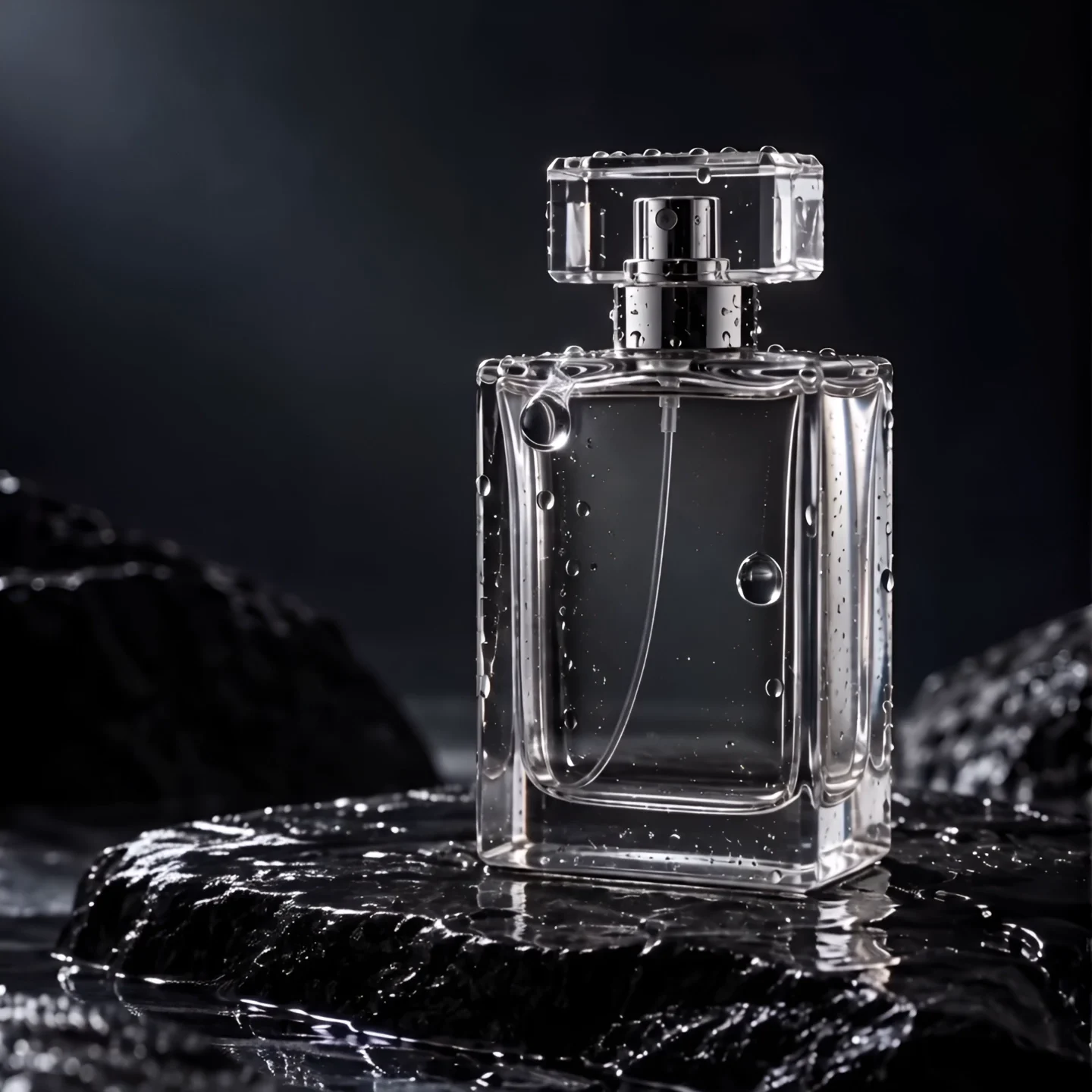
Clip 03 exposes a useful mismatch. Its original direction requests sideways travel; the observation records the camera coming closer while droplets move across the glass. Defined bottle edges and a clear cap do not make that a verified sideways shot.
Clip 04 records forward movement along the coast with waves around stable cliff shapes. In 08, the camera follows an astronaut through defined plant rows and a curved structure. These views offer specific examples of scene movement, without establishing control over unseen space or continuity into another shot.
Vidu Q4 Subject Motion and Detail
- Portrait, 05. A turn and smile appear while the fictional adult subject's face, jacket, and window setting remain consistent within this clip. Cross-shot identity was not assessed.
- Runner, 06. Arm swing and alternating foot placement are visible, and the runner stays in frame. This is not a measurement of biomechanical accuracy.
- Paper fox, 07. Visible steps coexist with folded ears, legs, and textured foliage. The requested stop-motion style does not establish a traditional frame-by-frame production method.
- Rainy street, 09. The pedestrian and umbrella move while rainfall and reflections shift. The request to avoid readable text is not a completed check of every sign.
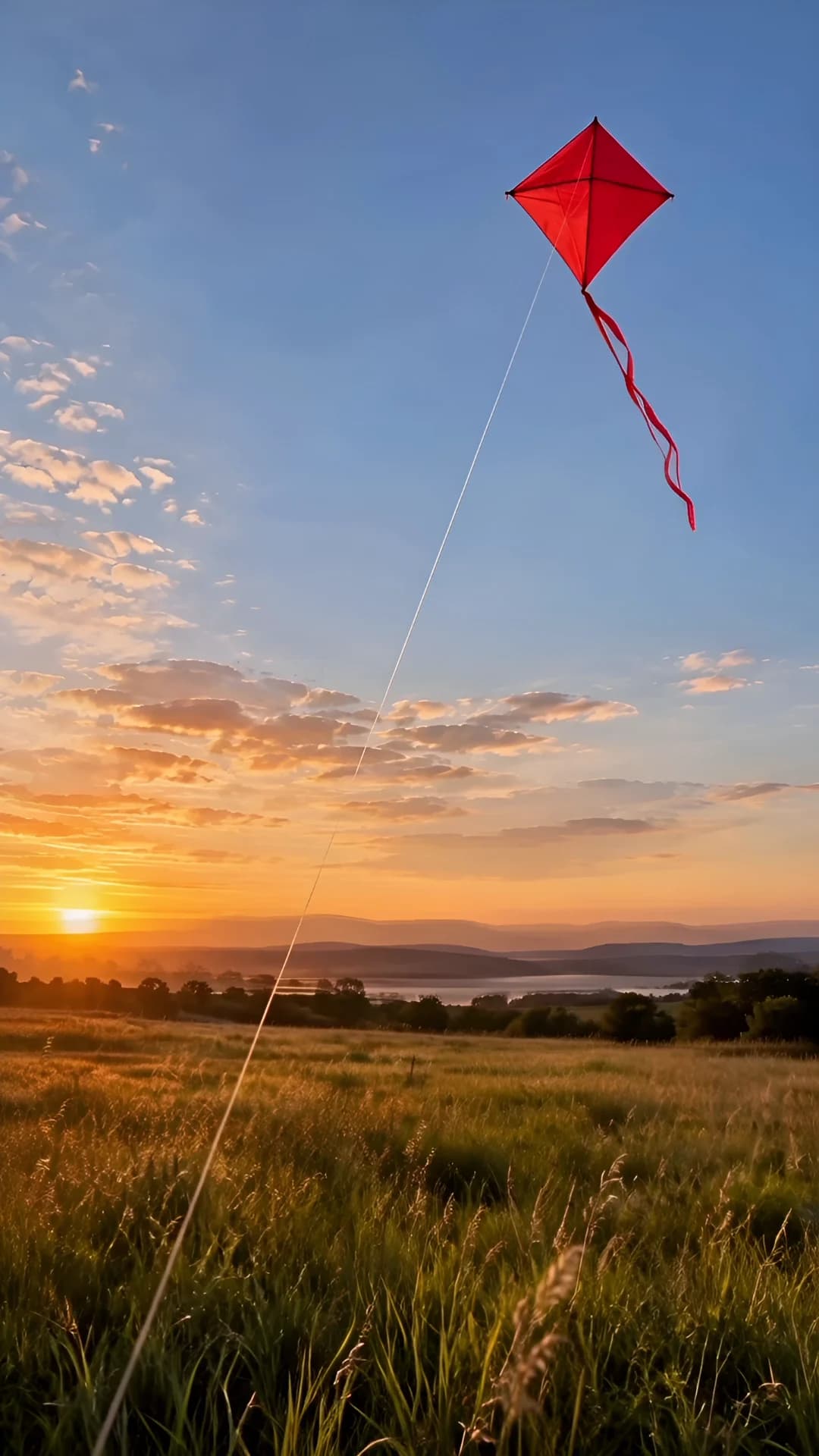
- Kite, 10. Sway, tail movement, and moving grass are recorded. The observation does not verify that the string remains taut for the entire clip.
Vidu Q4 Review Limitations
The evidence in this Vidu Q4 review supports narrow descriptions of the files shown. A setting available in a form is not the same as a result demonstrated by this set. Read the broader output limitations before relying on a clip.
| Covered here | Not established |
|---|---|
| One image per clip | Consistency between multiple reference images or separate shots |
| 1080p requests; eight to twelve seconds | 4K output or sixteen-second results |
| Visible movement within ten selected clips | Success rates, speed comparisons, or repeatability |
| Seven files with AAC tracks | Listening quality, audio-reference behavior, or synchronization quality |
The collection also leaves prompt sensitivity unresolved. A single output per instruction cannot show how often a request is followed. The quiet track noted for 01 is one observation, not an audio-quality comparison across the set.
How to Evaluate Your Own Clip
Choose a recorded example close to your intended subject and framing. Set one main action and one camera goal, then save the input, prompt, and settings. Watch the completed video to the end, checking the subject's shape, frame edges, and requested direction. Identify a specific difference before changing one element for another attempt. This is a suggested checking method, not a controlled experiment performed on these ten clips. The separate guide explains how to use Vidu Q4.
Source note: these are existing Preview clips generated October 10, 2026. The official Vidu Q4 page provides model background; its broader capability descriptions do not extend the scope of this sample or this site's demonstrated results.
Vidu Q4 Review FAQ
Is this a new test of Vidu Q4?▼
No. This article uses the existing ten Preview outputs generated on October 10, 2026, along with their recorded settings, file measurements, and observations. It does not add new generations or a repeated experiment.
Does this cover multiple references, 4K, or sixteen-second clips?▼
No. Every reference clip in this set used one image. The requests selected 1080p and eight, ten, or twelve seconds. These samples do not establish results at other resolutions, longer durations, or multiple-image consistency.
Do the clips prove that matching settings give identical results?▼
No. The clips used random seeds and different instructions. Even the two clips sharing a cup image changed more than one setting. They do not establish repeatability or isolate the effect of a single switch.